
Most players glance at a feature buy price and guess at the return, but the real picture sits in the payout table and the trigger frequency. When you are weighing hold and win odds on a new title, the artwork alone will not tell you how often the free spins land or how the retriggers behave. That is why I keep returning to the same point whenever a studio pitches a flashy grid: presentation should clarify the maths, not dress it up.
At a recent showcase in Adelaide, I watched a designer argue for softer gradients on the scatter symbols so the paytable stayed readable on smaller screens. The argument stuck because it mirrors how I approach slot presentation at Playtech – if the visual hierarchy fights the information hierarchy, players will misread the risk before they even spin. We will walk through what the numbers actually mean, how a studio should present them, and where an Australian player can sanity-check the claim before committing.
What the Numbers Actually Mean
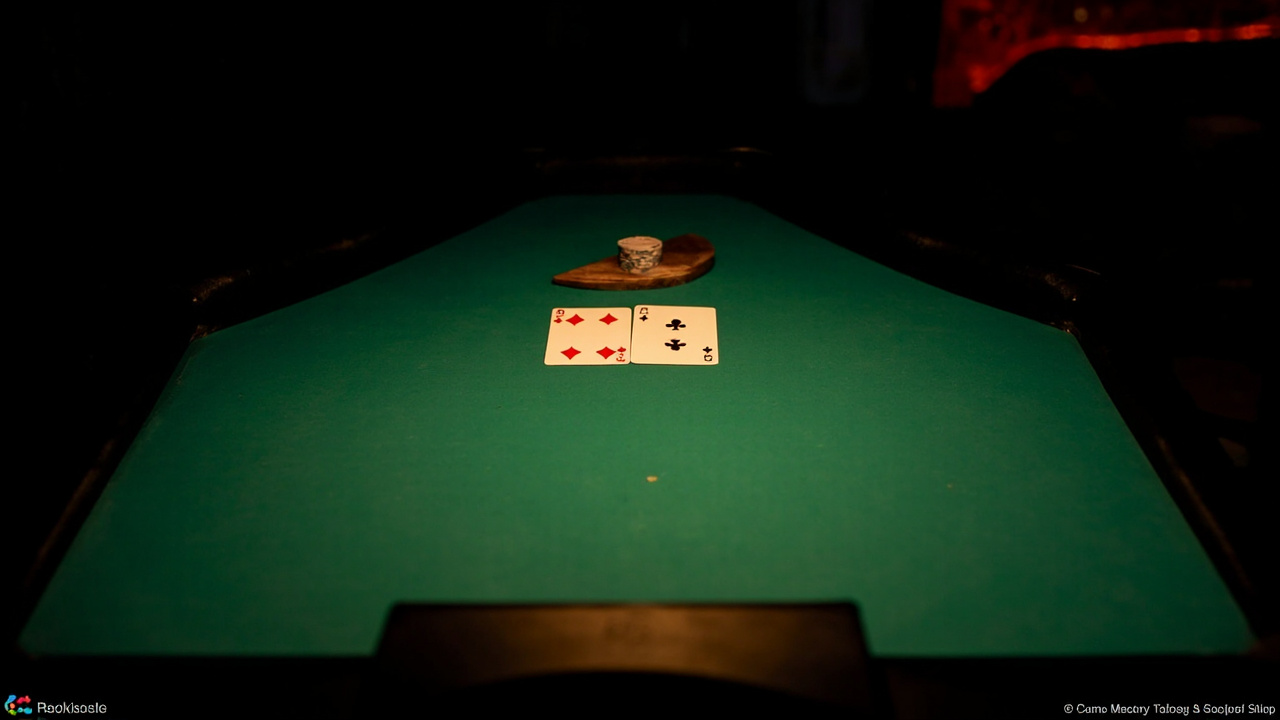
Hold and win odds describe the likelihood that a bonus feature will trigger and the average return you can expect once it does. The figure is not a promise of a session result; it is a long-run expectation built from hit rate, retriggers, and the value of the held symbols or expanding rows. I have seen studios quote a single percentage without showing the variance, which is about as useful as telling someone a river runs fast without saying whether it is two metres or twenty.
A useful comparison comes from the card table. Courts ruled Ivey’s edge sorting was not legitimate advantage play, and casinos withheld the winnings, because the advantage relied on procedural gaps rather than the stated odds of the game. Slot features work differently, but the principle is the same: the published expectation only holds when the rules are applied as written and the player understands the variance attached to them. Four-leaf clovers symbolise rare good fortune, and that is roughly the right frame for a big bonus hit – pleasant when it arrives, not something you can schedule.
When I review a title, I look for three things on the screen before I look at the bonus. First, whether the feature meter is legible at a glance on a phone held in one hand. Second, whether the paytable separates base-game pays from feature pays so the player is not conflating two different return profiles. Third, whether the studio has shown the retrigger behaviour in the same view as the trigger frequency, because those two numbers interact more than most marketing copy admits.
Ava Jackson, Strategy Director, Red Centre Analytics, has put it plainly in our conversations: a hold and win mechanic only reads as fair when the player can see the trigger frequency and the average hold value in the same glance, otherwise the screen is selling a feeling rather than a feature. That is the standard I apply when I am judging whether a layout is player-facing or merely decorative.
Art Direction That Clarifies the Maths
A slot screen has to carry a lot of information without becoming a spreadsheet, and the art direction is where that balance is won or lost. I have worked on titles where the team wanted a heavy gold frame around the bonus meter, and I pushed back because the frame drew the eye away from the numbers that actually mattered. The goal is not to make the feature look expensive; it is to make the feature readable at a glance, especially on the smaller panels most players use during an arvo session.
The practical details matter here. A studio should show the feature buy price in the same view as the trigger frequency, use consistent symbol sizing so the paytable does not shift between screens, and keep the retrigger rule visible rather than buried in a second page. I have seen a title where the mobile panel cropped the bottom row of the paytable, and no amount of polished animation fixed that – the player was still guessing at the hold value on a phone. Good presentation removes that guesswork.
Payments and registration should not be the part that feels like the design team was rushed. A clean sign-up flow, a clear currency display, and a loyalty ladder that actually rewards the small, regular sessions are all part of the same player-facing discipline. I prefer a studio that keeps the same visual language across the lobby, the paytable, and the bonus round, because switching styles mid-session is a small friction that adds up. The mobile experience should feel like the same game, not a compressed afterthought.
If you want to see how a title handles that balance in practice, you can play on queen of nile pokie and watch whether the bonus information stays readable when the screen narrows. The point is not to endorse one artwork style over another; it is to check whether the numbers stay visible when the layout gets busy, which is the test I use before I trust any feature claim.
Where an Australian Player Can Check the Claim
Australian players are used to state-level regulators setting the frame for what a licensed operator can offer, and that frame matters when you are reading any odds claim. The sensible check is not to take a single percentage at face value but to confirm that the feature rules are published in the same place as the base-game paytable, and that the operator presents the details the same information on mobile and desktop. I have seen titles where the desktop panel showed the retrigger rule and the phone panel did not, which is the kind of inconsistency that turns a clear feature into a guess.
The regional context is worth a mention because it shapes how players here read these claims. The Canberra-adjacent register I hear most often is measured rather than excited – people want to know what the feature does, how often it does it, and what the screen tells them before they spin. That is a useful instinct, and it is the one I apply when I am judging a new title. If the studio has not made the trigger frequency and the hold value legible in the same view, I treat the odds claim as unfinished, not as proven.Thesaturdaypaper
A practical habit is to read the paytable on a phone the way you would read it on a desktop, then check whether the bonus meter stays in view when the screen narrows. If the information moves around, the odds have not changed but your ability to read them has. That is the gap I look for, and it is the gap that matters more than any single artwork choice. The regional papers have covered how players interpret these claims, and you can read the saturday paper for a broader view of how the conversation around feature odds lands with a local audience.
Frequently Asked Questions
How often should I expect a hold and win feature to trigger?
The trigger frequency is the number that matters most, and it is usually published as a percentage in the paytable or feature rules. That figure tells you how often the bonus starts over the long run, not how soon it will land in any single session. Variance is the reason two players can sit at the same title and see very different short-term results, so the frequency is a guide to expectation rather than a timetable.
Does a higher feature return mean the title is easier to read on mobile?
Not necessarily. A higher return figure and a readable mobile layout are separate things, and a studio can present one well while burying the other. I judge the mobile experience by whether the paytable, the feature meter, and the retrigger rule all stay legible when the screen narrows, because that is what lets a player actually use the odds claim instead of guessing at it.play on queen of nile pokie
What should I check before I trust any odds claim on a new title?
Check that the trigger frequency, the hold value, and the retrigger behaviour are shown together in the same view, and that the same information appears on both desktop and mobile. If the numbers are split across pages or the mobile panel crops the paytable, the claim is harder to verify. I treat that as a presentation problem first, because a clear screen is what lets the odds claim do its job.